
Relief for the jaw
that will not relax.
TMJ problems show up as jaw pain, headaches, clicking, and worn-down teeth. Much of it is driven by overworked jaw muscles, and Botox can relax them. Because your bite is part of the picture too, a dentist is often the right person to help.
Your jaw pain is real.
The temporomandibular joint connects your jaw to your skull, and when it is under strain the effects spread: aching jaw, tension headaches, clicking or locking, and teeth worn flat from grinding. Many people live with it for years without realizing it is treatable.
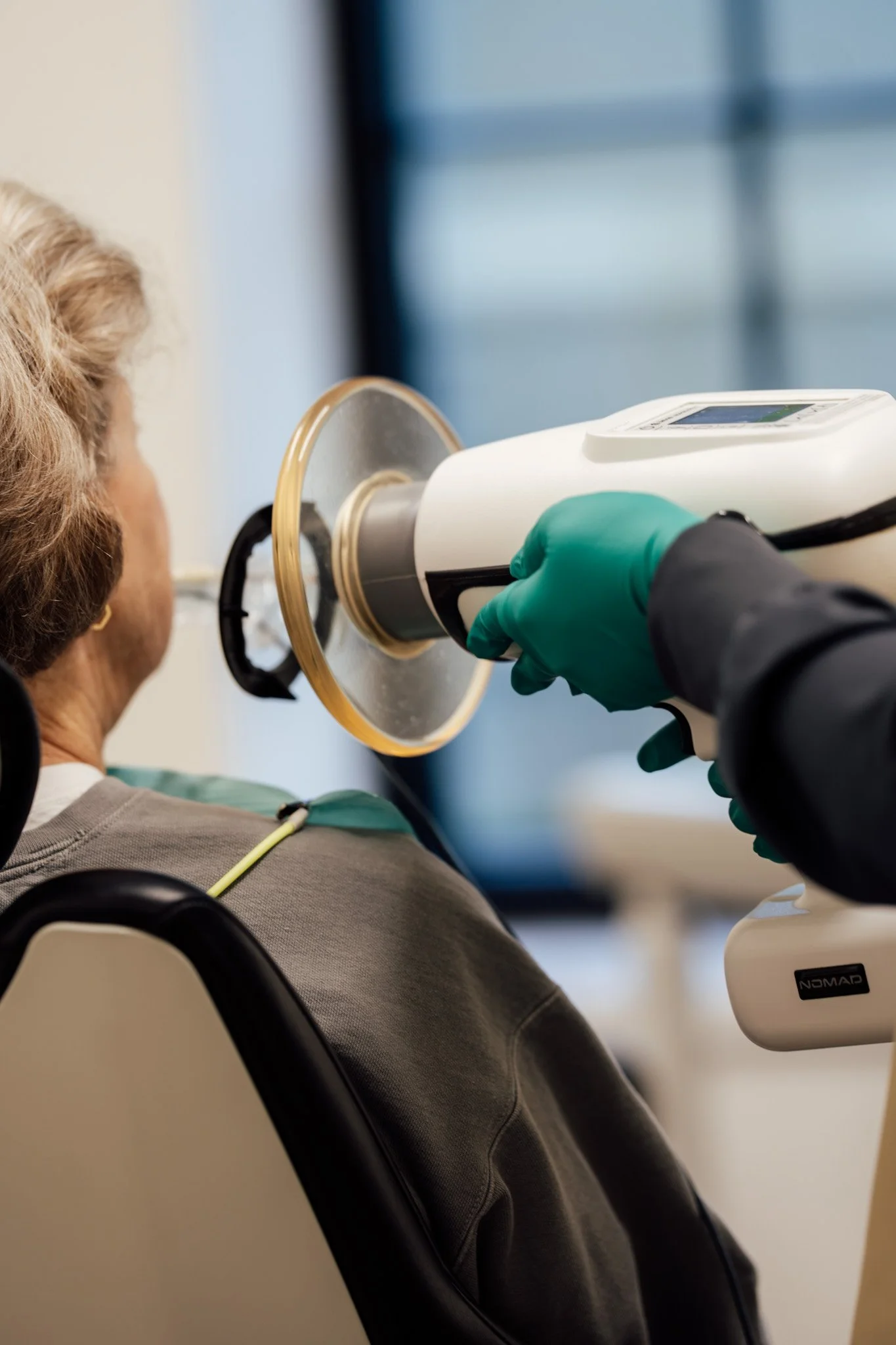
Because TMJ is rooted in how your teeth meet and how your jaw muscles work, Dr. Toups can assess the bite mechanics behind it and build a plan. Often that means Botox to relax the overactive muscles behind the clenching and pain. Depending on the cause, a custom night guard or a bite adjustment may be part of the plan too. And if your case needs a specialist, she will say so and point you to the right one.
Jaw pain wears on you. We take the time to listen to what you feel and when, because that is where the right plan starts.
"Years of headaches, and nobody ever looked at my jaw."
We hear it all the time. The cause has to be found before it can be fixed.


Your TMJ care, start to finish.
Find the cause
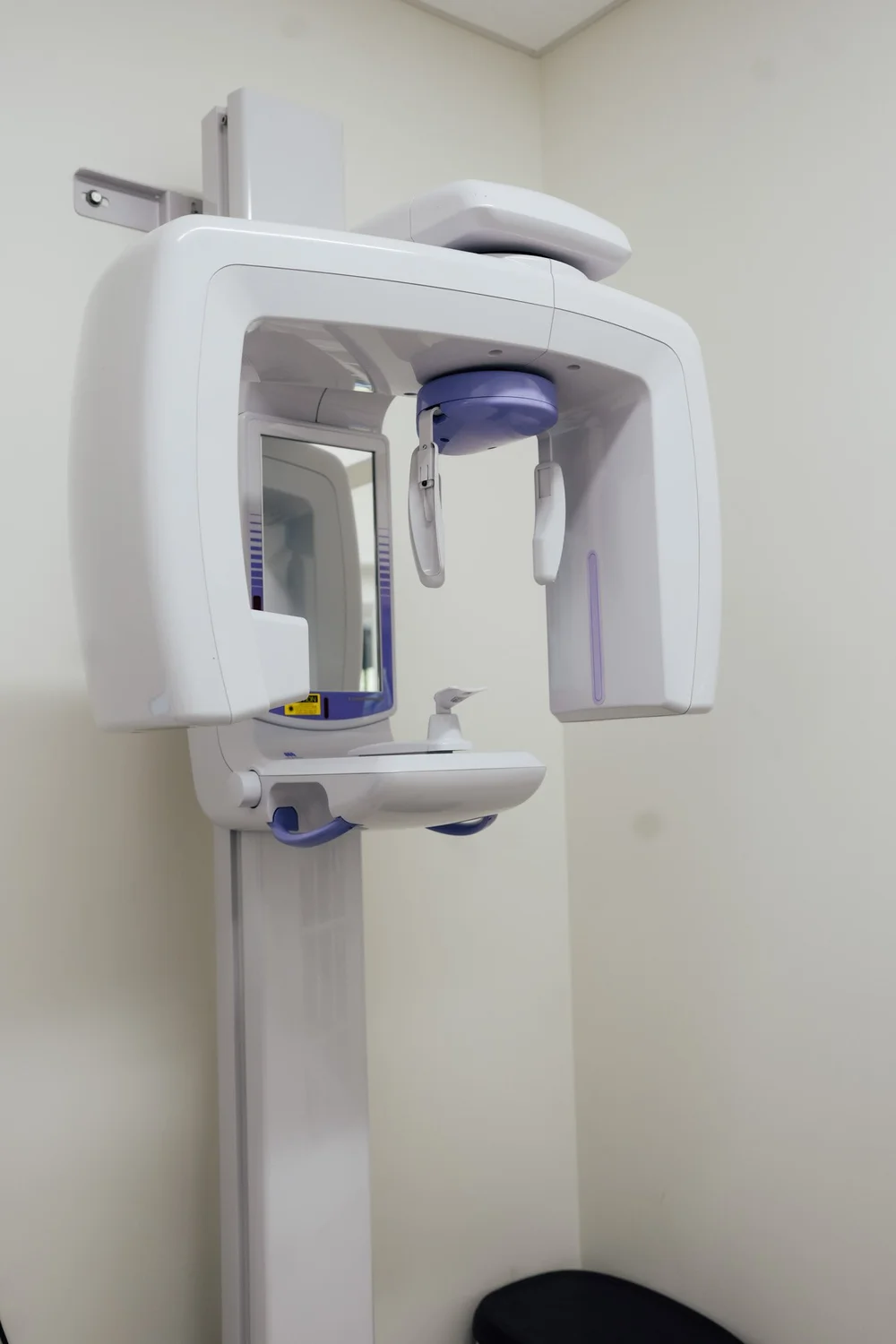
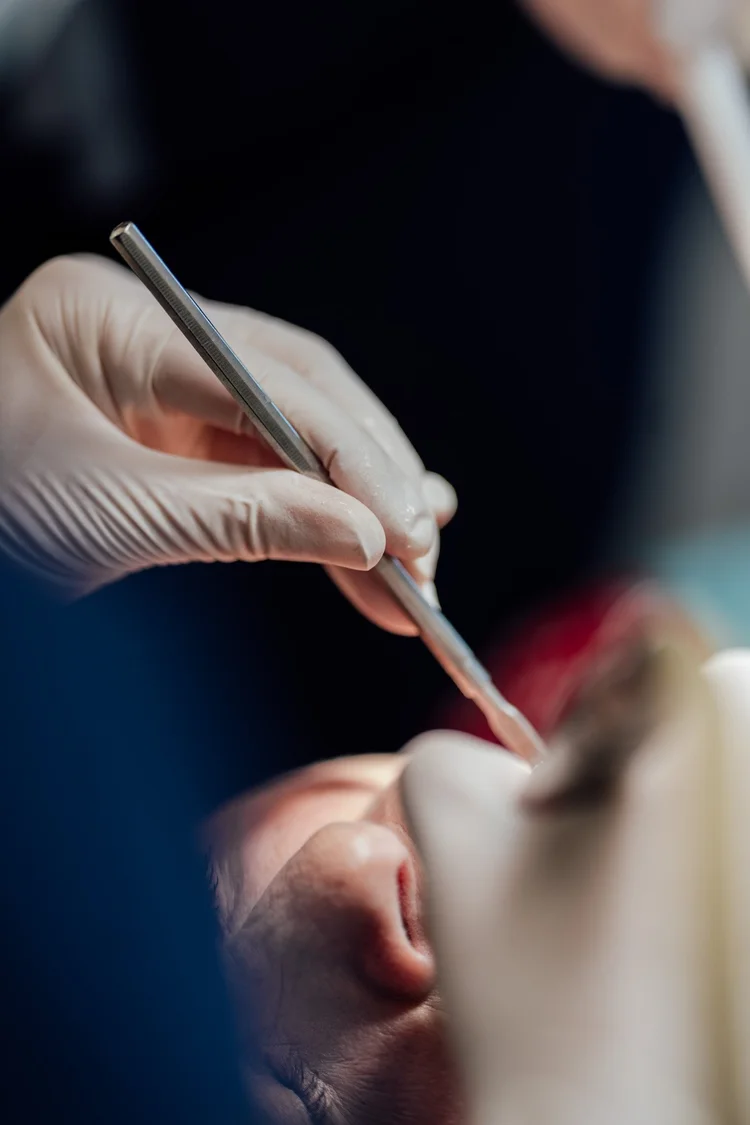
We examine your bite, jaw movement, and the wear on your teeth to understand what is driving the strain.
Build a plan
Often that means Botox to relax the overworked muscles, sometimes paired with a custom night guard or a bite adjustment.
Track relief
We follow up to see what is working and adjust, because TMJ responds to consistent, tailored care.
What treatment does for you.
- Addresses the bite and muscle causes, not just symptoms
- Custom night guards to stop grinding damage
- Botox to relax overactive jaw muscles
- Protects teeth from the wear grinding causes
Your jaw pain questions, answered.
How do I know if I have a TMJ problem?
Can a night guard really help?
When would Botox be part of TMJ care?
Stop living around your jaw.
Morning headaches and a tight jaw are not just how life is. Book online or call, and let us look for the cause.