
Halloween is one of the best nights of the year to be a kid, and we are not here to ruin it. Candy is part of the fun. With a little strategy, it does not have to be a problem for growing teeth.
It is about time, not just sugar
Cavities form when the bacteria in our mouths feed on sugar and produce acid. What matters most is how long teeth sit in that acid. A handful of candy eaten at once is easier on teeth than the same handful nibbled slowly all afternoon.
The hardest treats on teeth
- Sticky and chewy candy like taffy, caramel, and gummies cling to the grooves of teeth for hours.
- Hard candy and lollipops keep sugar in the mouth for a long time and can chip teeth if bitten.
- Sour candy adds extra acid on top of the sugar.
Plain chocolate is usually the gentler choice because it melts and rinses away more easily.
Simple habits that help
- Enjoy candy with a meal or right after one, when saliva is already working.
- Pick a treat time instead of all-day grazing.
- Drink water after candy to rinse away sugar.
- Wait about 30 minutes to brush after sour candy, so enamel has time to settle.
- Keep up the routine: two minutes of brushing twice a day, and flossing once the teeth touch.
Sealants are a quiet hero
The back teeth have deep grooves where candy loves to hide. Dental sealants are a thin protective coating that smooths those grooves over, and they are quick and painless to place. If your child does not have them yet, ask us at their next visit.
A good time for a checkup
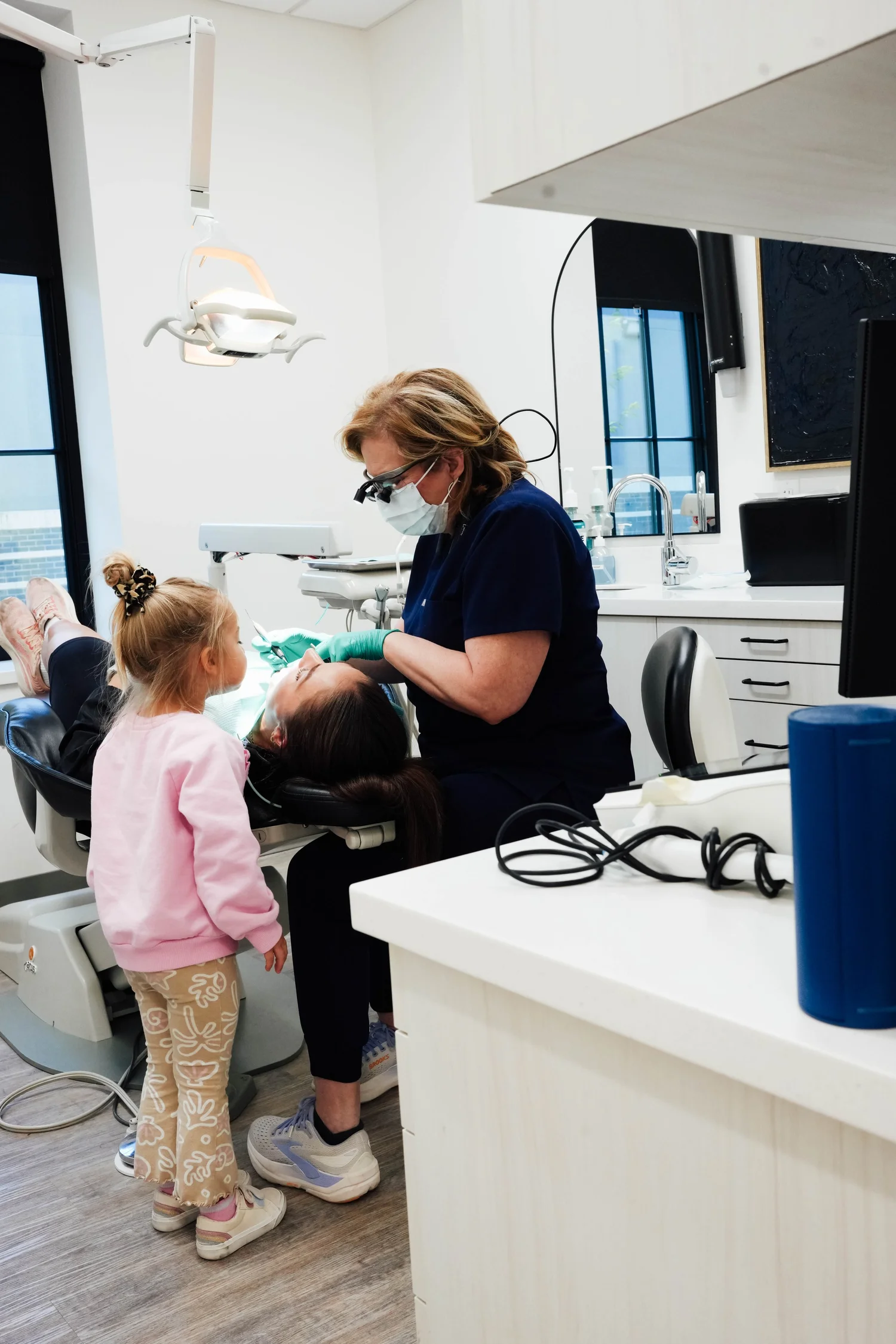
Fall is a great time to get kids in before the holidays. Our visits for little ones are friendly, unhurried, and positive, and Suzanne, our office dog, is usually a big hit. Learn more about children's dentistry at Toups.
Book your child's checkup: request an appointment or call (205) 655-7061.